

8·
10 days agoJust wanted to say thank you for the information that this is based on Wifi Aware and the proprietary AirDrop protocol from Apple. Helps understanding why there are some limitations.
Just wanted to say thank you for the information that this is based on Wifi Aware and the proprietary AirDrop protocol from Apple. Helps understanding why there are some limitations.

Actually supporting HDMI-CEC is such a big thing because it makes it the perfect HTPC machine for Libreelec. No more need for separate remote to control your 4k HDR media player!

I am not familiar with english speaking (and reliable) gaming news Sites. Do you have a link to a trustworthy source to place here?
What’s your experience compared to ollama+openwebui?
I like the “Power connected status change”. Helps to find out if the charger is relly plugged in. Hopefully Papers will receive support for digital signage which evince never did. This is still lacking in GNOME.

For example I would expect them to have a keyserver hosting the public Keys of their customers and making sure that only the real customer is able to update his public Key. So nobody else can publish a public key for a given E-Mail without being the owner of the E-Mail.
An ideal implementation could be Web Key Directory (short WKD).
I did a quick search if mailbox.org supports WKD. It looks like mailbox.org Guard somehow supports it, but I never tried it. So maybe it is worth having a look at that.

I can totally agree. From my personel experience these machines work just fine for a regular family household (so like 4 users). Only downside is if you need a lot of storage. But for that it is (imho) a better idea to have a dedicated machine.
From my personal experience I can totally agree. I have a HP Elitedesk with a i5-8500T and it runs multiple Jellyfin 4K HDR streams just fine with Hardware transcoding. And it does this while hosting other services like pihole, minecraft server, homeassistant in parallel. So for a regular family household these machines are good enough. Don’t know if it also works fine with more users (5+).
For me the overall handling was bad in their frontend if you just wanted to use it for specific mails. If you wanted to encrypt your whole inbox it was working just fine. But then you had no possibility to decrypt the mails in their frontend and relied on using 3rd party browser extensions.
And you had no way to bind the public key to your account and make it accessible for everyone publicly.
I am using it since like 5 years (?) and had no major problems with it. Only downsides where the ugly implementation of 2FA at the beginning and the bad support for e-mail encryption/signing.
Yep, I also prefer sticking to my email-provider providing me this kind of service instead of a 3rd party one.
That sounds interesting. I never thought about using it that way. I will give it a try. Thanks for the hint!
For me personally there is not much use in these changes. I only access it through Thunderbird or K9-Mail. I would prefer if they would ease the creation of temporary Mails instead of hiding it in the settings.
Also I need to try out the New 2FA Integration instead of the strange pin+otp login method.
For me it’s openSUSE Tumbleweed on my Desktops/Laptops and openSuse Leap on my Servers. The killing Feature for me was the propper BTRFS integration with Snapper for seamless rollbacks in case I borked the system in some way.
One “downside” for me is the mix of Gnome Settings and Yast on my Desktop. But I like yast on my servers for managing everything (enabling ports in firewall, network config, enable autoamtic isntall of security updates, etc.). Also openSuse is not that common, so sometimes it is hard to find a solution if you have a distribution specific question.
Personally never looked to closely into openSuse Build Services (OBS). But I know some people who really like it.


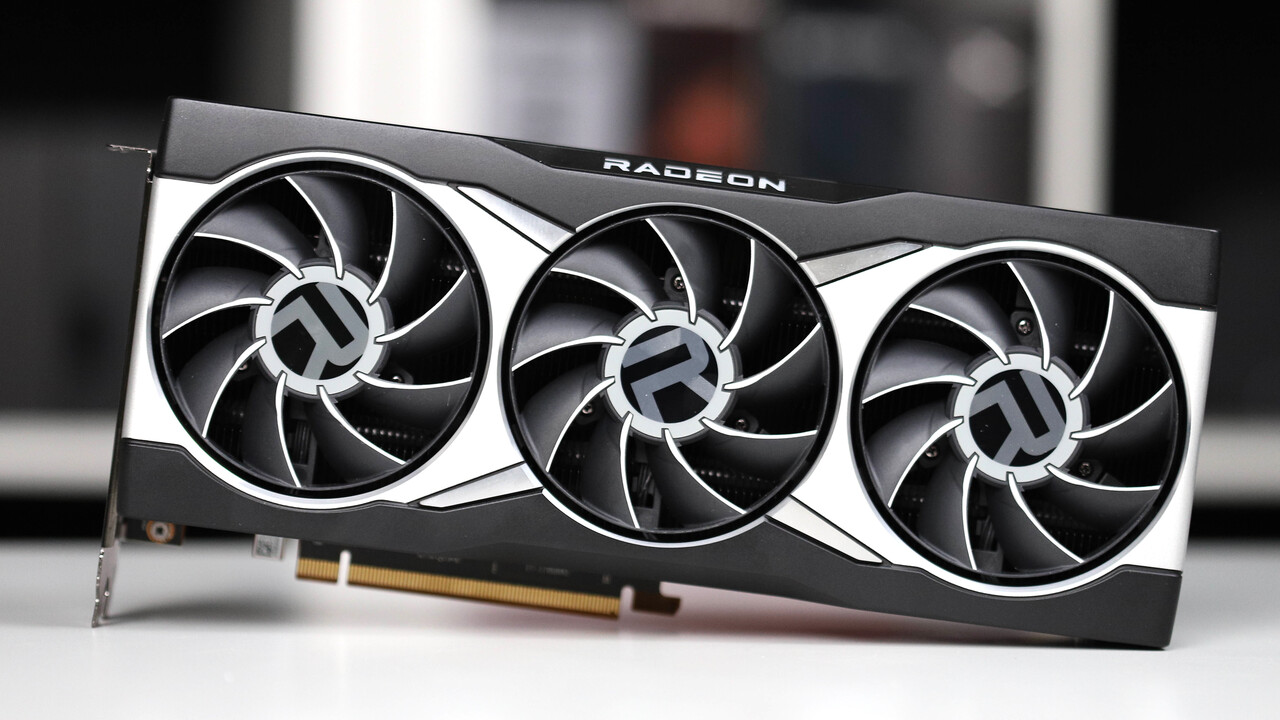

I really like that now some Content Creators are working on providing useful information for Linux gamers. Especially information like bad Frame pacing or “unreasonable” bad performance for some certain games for certain hardware is a very important information to make a good decision when buying a card.
Me personally I am not very interested in the performance comparison between Linux and Windows. I choose Linux as my daily driver for specific reasons, and game performance was not a high priority. But knowing which Hardware might have strange performance problems compared to other Hardware if I wamt to game is always a very nice thing.
I liked that the Intel B580 was included in the charts. This gave me some usefull information for comparing it to a AMD 9060 XT. Only thing I am missing is if it is the 8GB or 16GB version of the Sapphire Pulse. But I did not check their Blog/Site post yet.